Cyber Background Checks Opt Out
Cyber Background Checks Opt-Out & Remove Your Info [2026] Incogni
Cyber Background Checks Opt-Out & Remove Your Info If you want to remove your personal information from Cyber Background Checks, you can follow our quick guide to opt out in just 10 – 15 minutes. However, the website only allows California residents to delete their data under the California Consumer Protection Act (CCPA).
https://blog.incogni.com/cyberbackgroundchecks-opt-out-guide/![Cyber Background Checks Opt-Out & Remove Your Info [2026] Incogni](screenshots/cyber_background_checks_opt_out_1.jpg)
Opt out removal request
To opt your record out from our data offerings, please follow these steps: Enter ... 2026 CyberBackgroundCheck, Inc. All rights reserved. Version GalaxyTi.
https://www.cyberbackgroundchecks.com/removalThe Best Personal Data Removal Services for 2026
The Best Personal Data Removal Services for 2026 ; Best for Inexpensive Data Removal. Incogni · Finds personal profiles on people search sites ...
https://www.pcmag.com/picks/the-best-personal-data-removal-servicesHow to Complete a CyberBackgroundChecks Removal Guide [+ Examples]
How to Complete a CyberBackgroundChecks Removal Guide [+ Examples] Laura Martisiute Reading time: 5 minutes Follow the guide below to learn how to complete a CyberBackgroundChecks removal. CyberBackgroundChecks is a people search site that publishes people’s personal information, including their aliases, addresses, and phone numbers.
https://joindeleteme.com/blog/cyberbackgroundchecks-com-opt-out-guide/![How to Complete a CyberBackgroundChecks Removal Guide [+ Examples]](screenshots/cyber_background_checks_opt_out_4.jpg)
A 2026 Guide to Data Removal Services
A 2026 Guide to Data Removal Services. If you're looking to remove your personal information from the internet, there are digital tools that can help. All of ...
https://www.security.org/data-removal/How to Remove Your Data From the Internet for Free? 2026 DIY Guide
How to remove your personal information from the internet in 2026 free guide. A step-by-step explanation and multiple resources to help you delete your data.
https://www.mydataremoval.com/diy-guide/Remove personal information from data brokers in 2026 ...
Why deleting your personal data from data brokers is the smartest security move before 2026. By Kurt Knutsson, CyberGuy Report Fox News.
https://www.foxnews.com/tech/make-2026-your-most-private-year-yet-removing-broker-dataStart 2026 off with a digital tune-up! 📱 🔐 Take this time to change and update your passwords and review your privacy settings on your social media accounts. 🗑️ Unsubscribe from unnecessary apps and email lists and delete old accounts you no longer use. Less data stored = less data to steal. Small steps today will help protect you all year... - Royal Canadian Mounted Police in Newfoundland and Labrador Facebook
Unsubscribe from unnecessary apps and email lists and delete old accounts you no longer use. Less data stored = less data to steal.
https://www.facebook.com/rcmpnl/posts/start-2026-off-with-a-digital-tune-up-take-this-time-to-change-and-update-your-p/1300506878780977/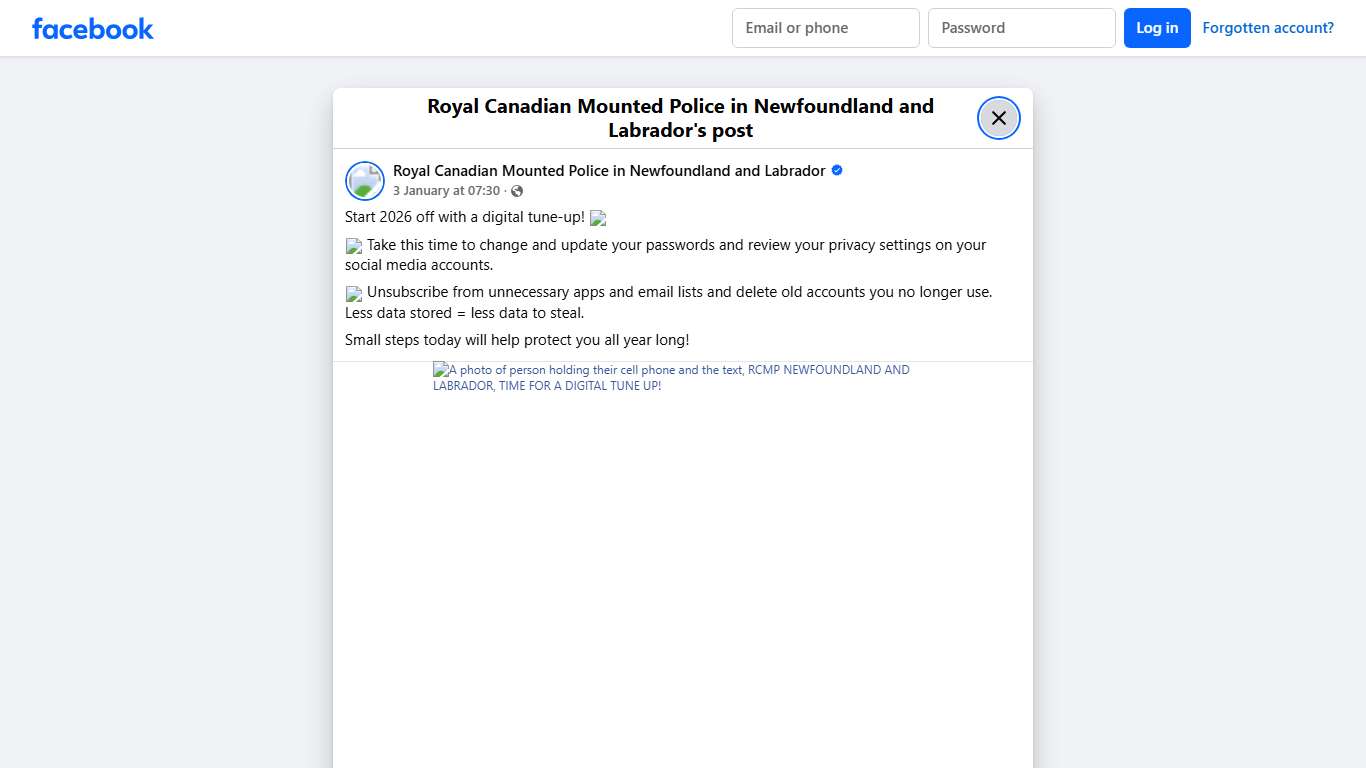
CalPrivacy Highlights Regulatory Changes for 2026 Privacy World
We have previously covered the recent changes to the California Consumer Privacy Act (CCPA) regulations, and summarized the changes companies need to make to be 2026-ready under them and other state consumer privacy laws that have recently or will soon become effective.
https://www.privacyworld.blog/2025/11/calprivacy-highlights-regulatory-changes-for-2026/
Is CyberBackgroundChecks.com Legit? Uncovering the Truth IconEra
However, deeper analysis shows that the website is not entirely free, transparent, or legitimate. Although it allows limited searches without cost, it redirects users to paid third-party sites for complete reports, raising questions about legality and reliability. CyberBackgroundChecks.com is a people search site launched in 2019.
https://icon-era.com/blog/is-cyberbackgroundchecks-com-legit-uncovering-the-truth.394/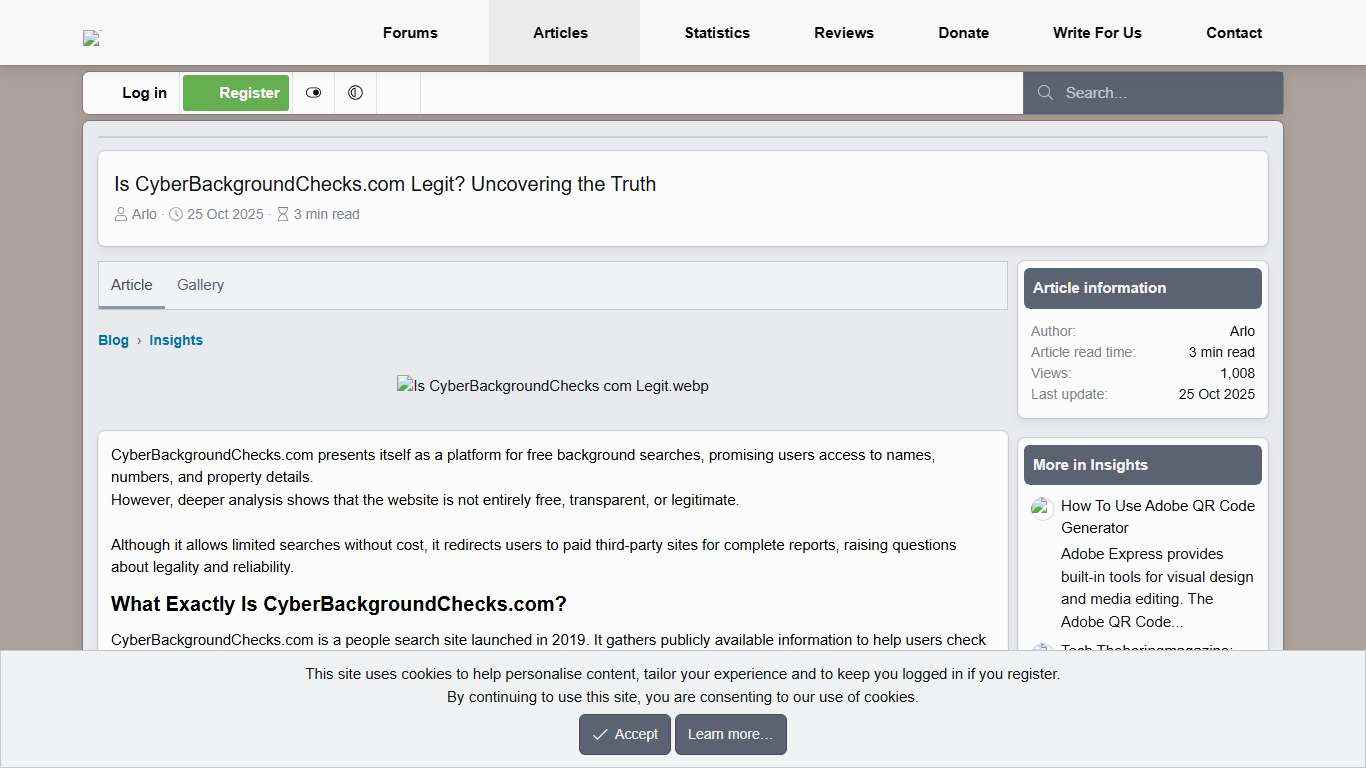
New San Francisco Law Limits Employer Background Checks Hinshaw & Culbertson LLP
New San Francisco Law Limits Employer Background Checks Insights for Employers Alert | 2 min read Apr 22, 2014 Employers with locations in San Francisco should be aware of a new law enacted by the city that will limit the use of criminal background in vetting employees and applicants.
https://www.hinshawlaw.com/en/insights/insights-for-employers-alert/new-san-francisco-law-limits-employer-background-checks
Navigating New Obligations Under the CCPA Updated Regulations
Key points - On September 22, 2025, the California Office of Administrative Law approved revisions to the California Consumer Privacy Act Regulations. The revisions to the CCPA’s existing obligations will take effect on January 1, 2026. - New obligations introduced in the revised regulations related to automated decisionmaking technology, cybersecurity audits, and risk assessments will begin to take effect in 2027.
https://www.lw.com/en/insights/navigating-new-obligations-under-the-ccpa-updated-regulations
California’s New Delete Request Tool Impacts Data Brokers and Residents
On September 26, 2025, following a public comment period, the California Privacy Protection Agency (“CPPA”) adopted its regulations concerning the Delete Request and Opt-Out Platform (“DROP”). The DROP is a tool developed to address the California Delete Act’s requirement that the CPPA establish an accessible deletion mechanism to allow consumers to request from registered data brokers the deletion of all non-exempt personal information relate...
https://www.hunton.com/privacy-and-information-security-law/californias-new-delete-request-tool-impacts-data-brokers-and-residents
Delete Your Information From People-Search Sites - Consumer Reports
How to Remove Your Contact Info From Online People-Search Sites You can hide sensitive data about yourself from sites like Intelius, Spokeo, and Whitepages If you’ve ever entered your name into a search engine, you might be shocked at just how much sensitive information crops up.
https://www.consumerreports.org/electronics/personal-information/how-to-delete-your-information-from-people-search-sites-a6926856917/
Looking Ahead to Privacy (and Similar) Issues for 2026 - Lexology
Privacy law evolved at a dizzying pace in 2025. Regulators brought headline-making enforcement actions, courts continued to shape the boundaries of existing statutes, and state legislatures advanced new laws. Much of that activity centered on familiar pressure points: privacy notices and opt-out mechanisms, telemarketing and text messaging practices, and the collection and use of sensitive data, particularly biometric information, health data ...
https://www.lexology.com/library/detail.aspx?g=5c31dbfe-0442-4179-b45b-9a40e045fd97